

The temporomandibular joint (TMJ) is one of the body’s most active joints, meaning any pain in the area can have a big impact on your day-to-day life.
You might not consider physiotherapy as a solution to your TMJ pain, but your jaw is connected to a number of related muscles, joints, and nerves around your head and neck. Here at The Headache, Neck, and Jaw Clinic, our specialised Watson Headache Approach has shown strong results in reducing the underlying causes of TMJ issues and related conditions.
No two jaws are ever exactly the same, but we’ll explain how our techniques can be a safe and reliable way to improve range of motion and reduce pain.
Understanding TMJ Pain and Its Causes
What is the temporomandibular joint (TMJ)?
Your jaw connects to your skull through the temporomandibular joint, with a joint on each side of your face right in front of your ears. You use your TMJs all day long while you speak, eat, swallow, or make facial expressions.
Common causes of TMJ dysfunction
Several factors can lead to TMJ dysfunction (TMD), though sometimes doctors can’t find an obvious cause. Here’s what might trigger it:
- Jaw clenching and teeth grinding (bruxism)
- Jaw, head, or neck injuries
- Hypermobility and EDS
- Some types of arthritis, including osteoarthritis and rheumatoid arthritis
- An uneven bite from dental problems
- Autoimmune diseases that attack healthy tissue
TMJ pain is usually the result of compensations over time and is often multifactorial, which is why it rarely resolves spontaneously. TMJ physio and the Watson Technique directly target these multiple causes.
Symptoms that may indicate TMJ issues
TMJ dysfunction symptoms vary from person to person, but they can include:
- Pain or tenderness of the jaw
- Headache
- Facial pain
- Ear pain, ringing in the ear
- Dizziness
- Difficulty in chewing
- Locking of the jaw
- Clicking sound or grating sensation when opening the mouth or chewing
Many people don’t realise their symptoms are linked to jaw joint problems. Our clinic uses TMJ physio with the Watson Technique to tackle both obvious and subtle symptoms. That means we focus on the why behind your pain rather than just managing symptoms
What Is the Watson Technique?
Dr Dean Watson, an Australian physiotherapist, created the Watson Headache Approach in 1991. After years of clinical observation and research, Dr Watson discovered a pattern in upper cervical musculoskeletal dysfunction that no one had noticed before. This pattern showed up in many types of headache cases. What started as a simple technique grew into a complete clinical approach which is now practised in more than 25 countries.
How it differs from traditional physiotherapy
Standard physiotherapy often uses forceful techniques or manipulations. The Watson Headache Approach takes a gentler path with sustained pressure on the upper cervical spine. It’s focused on treating the root cause of your pain rather than just treating symptoms.
The approach looks at sensitivity patterns instead of just joint stiffness. It uses gradual, sustained pressure to temporarily reproduce and then resolve a patient’s typical symptoms.
How the Watson Technique Treats TMJ Pain
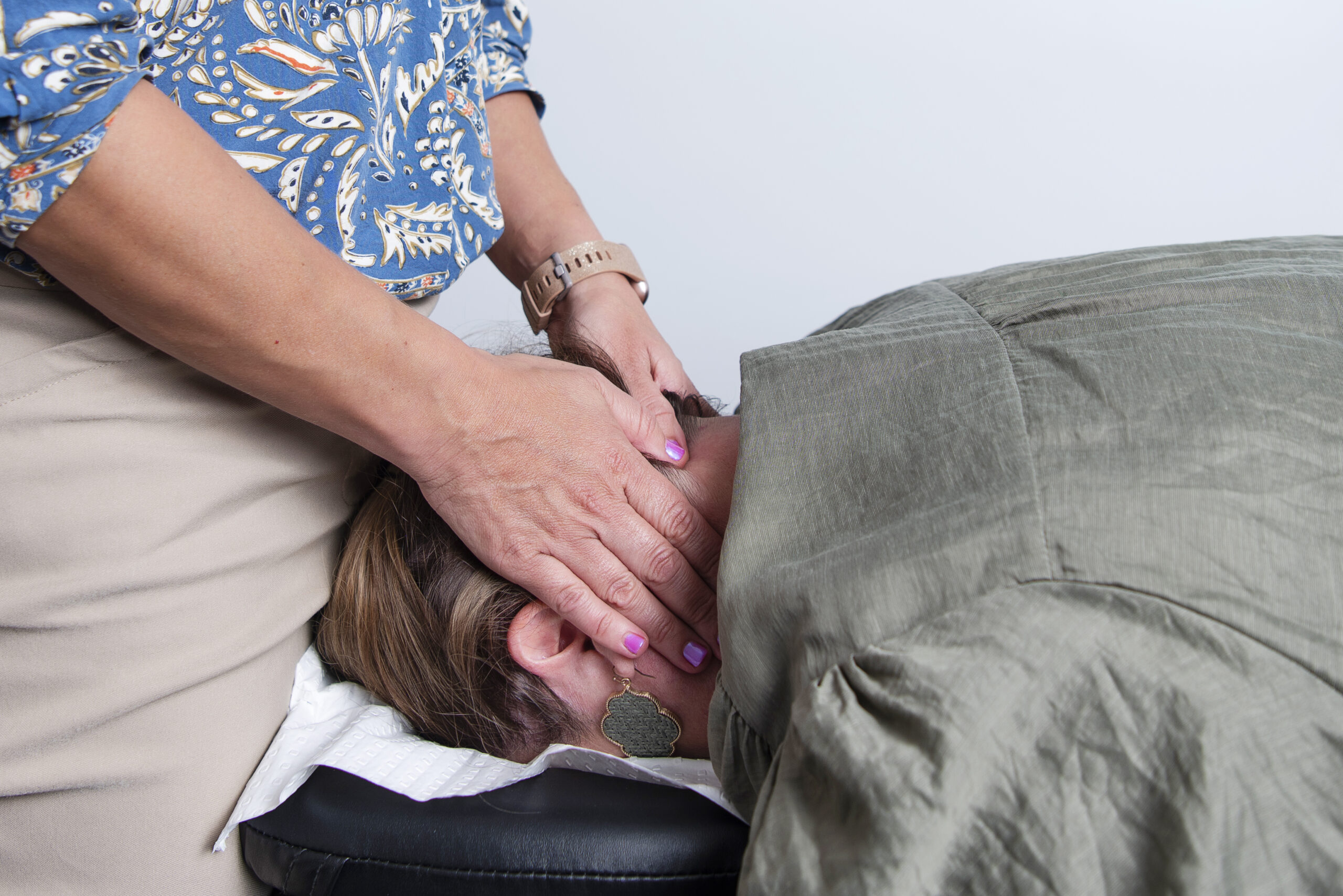
The Watson Headache Approach helps TMJ dysfunction by calming the brainstem through specific treatment of the upper cervical spine.
If you’re living with TMJ pain, you could benefit from our medication-free approach. The gentle nature of the Watson Approach also makes it perfect for patients who found other manual therapies too aggressive.
Targeting the upper cervical spine
The Watson Technique targets the top three cervical vertebrae (C1-C3), which directly influence jaw function. These specific spinal segments have a direct neurological connection to the trigemino-cervical nucleus in the brainstem.
Techniques used in treatment
The Watson Technique differs from traditional manipulations that use cracking or high-velocity thrusts. It uses:
- Gentle, sustained pressure on specific spinal segments
- Precise vertebrae movements
- Gradual pressure to detect soft tissue resistance
These techniques help practitioners reproduce and resolve your familiar pain patterns to confirm the exact source of your TMJ issues.
You stay in control throughout your treatment at HNJ Clinic. The pressure increases gradually, and you can ask to stop anytime you feel uncomfortable. Our patient-first approach is all about keeping you comfortable during treatment.
What to Expect from TMJ Physio at HNJ Clinic
Initial assessment and diagnosis
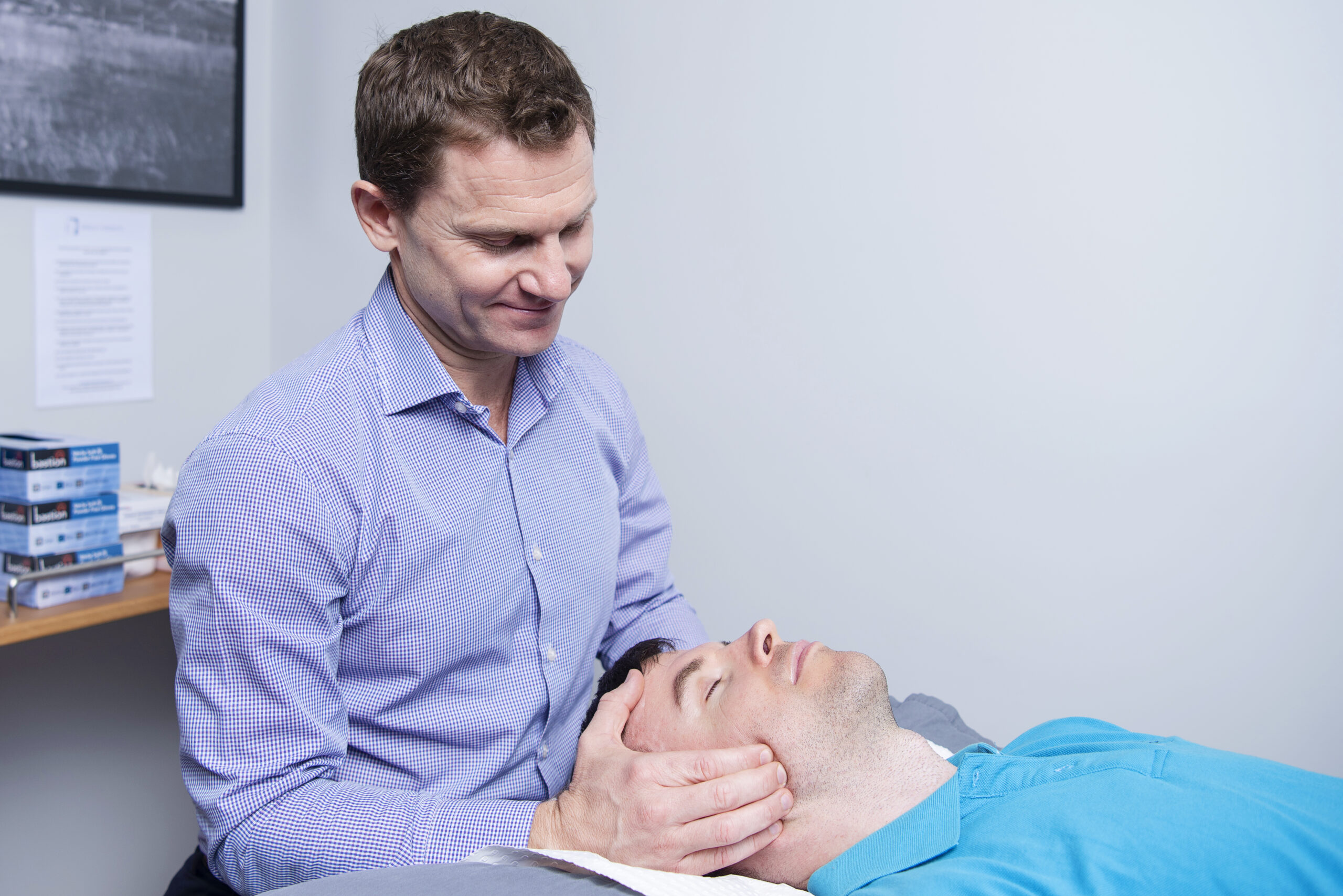
Your visit to our clinic starts with a detailed consultation that helps us understand your TMJ issues properly. Our physiotherapists perform a deep evaluation and track your symptoms using four key factors:
- How often pain occurs
- How long it lasts
- How intense it feels
- Where it hurts
This approach reveals whether your jaw pain comes from muscle tension, joint dysfunction, or referred pain from the neck.
Personalised treatment plans
Based on your assessment, we develop a custom treatment plan that targets your specific TMJ concerns. The treatment usually has TMJ joint mobilisations, muscle release techniques, and exercises to build strength and awareness.
Tracking progress and outcomes
You should notice a clear response by your first or second treatment. The ability to reduce your pain or improve jaw movement during a session shows we’re heading in the right direction.
When to consider other specialists
We take an honest approach to your treatment, and we don’t want to waste your time. If you’re not improving after a few sessions, we’ll help you explore other options. Complex cases may require us to collaborate with dentists, GPs, or oral surgeons.
Start Your Journey to Pain-Free Living!
TMJ pain can seriously affect your daily life, turning simple activities like eating and speaking into painful challenges. But you don’t have to rely on invasive procedures or medications to find relief.
Our physiotherapists are trained in The Watson Approach to help treat the source of your pain and help you find relief. Even patients who previously couldn’t find relief from persistent jaw pain have seen great results with our approach.
TMJ pain isn’t something you should just live with, and our team is ready to help you get back to a pain-free life with a properly working jaw.
Book a consultation today to see how we can help.
