

If you’ve landed here, you’re probably already living with a Chiari malformation diagnosis, and you’re looking for someone who actually understands it.
You’re in the right place.
What is Chiari malformation?
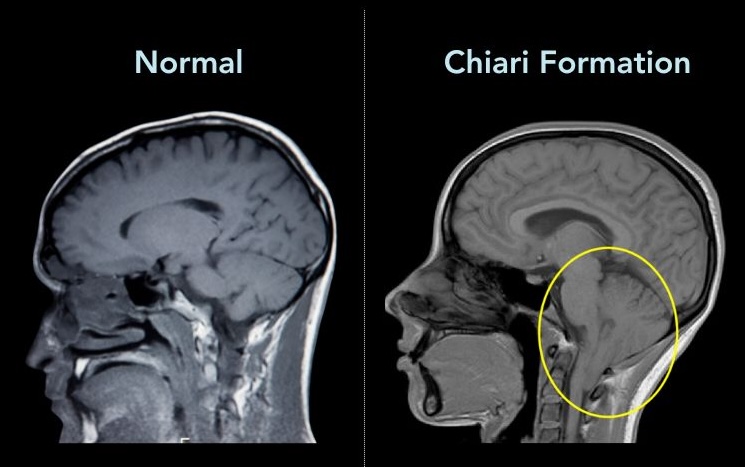
A Chiari malformation is a structural defect where the lower part of the brain, called the cerebellum, pushes down into the spinal canal. Symptoms vary, although common symptoms include headaches, swallowing or speech difficulties, neurological issues, and vision issues such as blurriness or double vision. Headaches are often triggered or worsened by coughing, sneezing, or straining.
As headache physiotherapists who specialise in complex cases, we know that Chiari is not straightforward. It’s not “just a structural issue,” and it deserves a more thoughtful, individualised approach than standard headache treatment can offer. We work with Chiari patients regularly, and we’re here to help.
How we can help treat Chiari malformation and why our approach is different
At the Headache Neck and Jaw Clinic, we use a highly specific method called the Watson Headache® Approach, combined with modern pain science, to assess and treat headaches related to Chiari malformation.
This means we can:
- Identify whether your upper neck is contributing to your headaches
- Reproduce your familiar symptoms in a safe, controlled way to understand what’s driving them
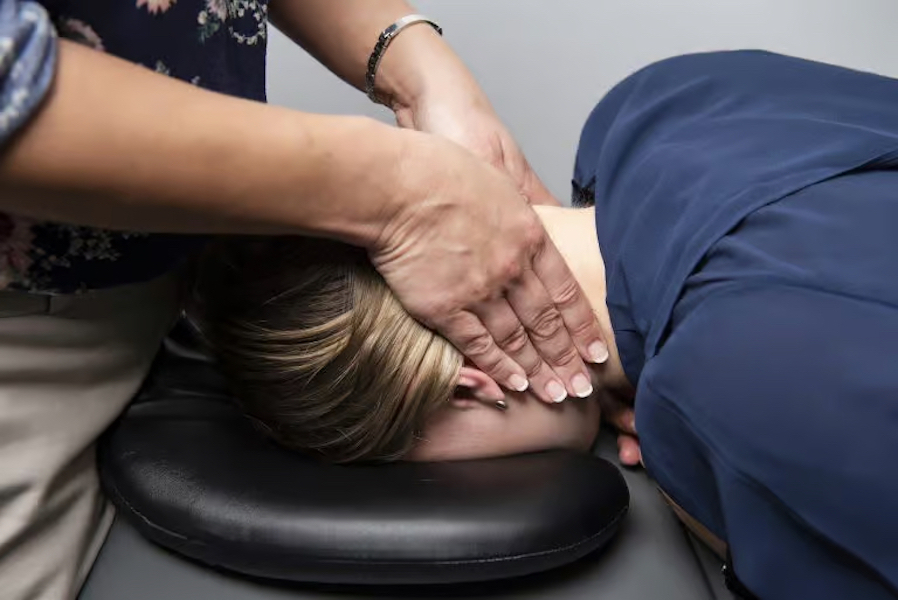
- Use precise, gentle techniques to reduce pain and improve movement
Unlike general treatment, this approach is tailored to your exact headache pattern, not a generic protocol. We also understand that with Chiari, certain techniques are simply not appropriate, which is why we specifically avoid high-velocity manipulation, aggressive movements, or anything that increases pressure or aggravates symptoms.
Why your headaches feel so persistent
Many people with Chiari experience:
- Ongoing pressure or pain at the base of the skull
- Neck tightness and stiffness
- Headaches that fluctuate in intensity
- Overlap with migraine symptoms like light sensitivity or nausea
What we often see in the clinic is that the severity of symptoms doesn’t always match what shows on a scan. In fact, Chiari Type I, the most common form in adults, is sometimes an incidental finding on MRI, meaning the structural picture alone doesn’t explain the full story of someone’s pain.
That’s because pain isn’t driven by structure alone. It’s also shaped by how the nervous system processes it.
Understanding central sensitisation
A key reason headaches persist is central sensitisation, where the nervous system becomes increasingly sensitive over time, amplifying pain signals and reacting more strongly to everyday triggers.
For people with Chiari, this can mean:
- More frequent headaches
- Increased intensity
- Lower tolerance to stress, movement, or environmental changes
In simple terms, your system becomes overprotective rather than just injured. Addressing this is a central part of how we approach treatment.
What Chiari treatment may include
Your personalised plan may involve:
- Gentle upper cervical manual therapy
- Postural and movement retraining
- Gradual return to activity
- Breathing and nervous system regulation
- Education to help you understand and manage flare-ups
Everything is adapted to your symptoms, tolerance, and goals.
You’re not out of options
If you’ve been told to “just live with it,” or you’re not sure what’s safe to try, know that there are real, evidence-informed ways to improve your symptoms.
With the right approach, many people experience reduced headache frequency and intensity, better neck comfort, and greater confidence in daily life.
Book an appointment today at the Headache Neck and Jaw Clinic and take the first step toward better headache management.

Lisa Eisfeld is a trained physiotherapist from Germany. She has also studied advanced Manual therapy and finished her Osteopathy Diploma in 2018 at the School for Manual Medicine Berlin. Lisa has also attained her Watson Headache® Approach Level 1 Foundation and Level 2 Consolidation courses. Read more about Lisa.