
As parents, it can be worrying when your child frequently complains of headaches, migraines, or unexplained stomach pain. While many people think headaches are an adult problem, they are surprisingly common in children and teenagers. The good news is that physiotherapy can play an important role in identifying contributing factors and helping children find lasting relief.
How Common Are Headaches in Children?
It may come as a surprise that up to one in ten school-aged children experience recurrent headaches, and approximately 10% of children between the ages of 5 and 15 experience migraines.
Despite being so common, childhood headaches are often overlooked or misunderstood. Many families spend months or even years searching for answers without realising that factors such as neck dysfunction, posture, screen habits, and lifestyle triggers may be contributing to their child’s symptoms.
Headaches can occur at any age. Younger children may struggle to describe what they are feeling. At the same time, teenagers often experience migraines that more closely resemble adult patterns, frequently influenced by hormonal changes, stress, sleep disturbances, and prolonged screen time. When migraines start this young, it’s worth having them assessed by a migraine physio early.
“A child’s headache is never ‘just a headache’.
Understanding the underlying cause is the first step toward real, lasting relief.”
Recognising Headache and Migraine Symptoms in Children
Children often experience migraines differently from adults. While adults commonly report throbbing head pain, children may present with symptoms that seem unrelated to headaches altogether.
Common signs include:
Nausea and Vomiting
Often, one of the most prominent symptoms in younger children may occur before, during, or even without significant head pain.
Stomach ’Tummy’ Pain
Recurring abdominal pain or cramping, particularly around the belly button, without another clear medical explanation.
Head Pain
Pressure, aching, or throbbing sensations around the forehead, temples, or back of the head.
Sensitivity to Light and Sound
Children may seek out dark, quiet environments during an episode.
Visual Disturbances
Some children experience migraine aura, including flashing lights, blurred vision, zigzag patterns, or blind spots.
School Avoidance
Frequent absences, difficulty concentrating, or reluctance to attend school due to recurring symptoms.
Worth Knowing: Abdominal Migraine in Children
Many parents have never heard of abdominal migraine, yet it is a recognised migraine condition that primarily affects children.
Rather than presenting with significant head pain, abdominal migraine causes episodes of:
- Moderate to severe stomach pain
- Nausea
- Vomiting
- Loss of appetite
- Pale appearance
It is most commonly seen in children between 5 and 9 years of age and often occurs in families with a history of migraines. Episodes can last from one hour to several days.
Because the headache component may be absent or minimal, abdominal migraine is frequently mistaken for digestive problems or food intolerances. Interestingly, many children with abdominal migraine later develop more typical migraine headaches during adolescence.
If your child experiences recurring unexplained stomach symptoms, discussing migraine as a possibility with your GP may be worthwhile.
When to See a Doctor First
While most headaches are not caused by serious medical conditions, some symptoms require immediate medical assessment.
Seek urgent medical attention if your child experiences:
- A sudden, severe headache
- Headache accompanied by fever and neck stiffness
- Headache following a head injury
- Changes in vision
- Balance problems
- Altered behaviour or confusion
- Seizures or loss of consciousness
A medical assessment should always occur before commencing physiotherapy when these symptoms are present.
The Physio Connection: Why the Neck Matters More Than You Think
One of the most overlooked contributors to childhood headaches is the neck.
Research shows that many headaches, including a significant proportion of migraines, can have a cervicogenic component meaning that dysfunction in the upper neck joints contributes to or triggers headache symptoms.
Modern childhood habits can place considerable strain on the cervical spine, including:
- Heavy school bags
- Long periods of screen use/ Head Forward Posture
- Poor desk ergonomics
- Extended time spent studying
- Poor sleep positioning
The upper cervical spine shares neurological connections with the structures involved in headache processing. When these joints become irritated or restricted, they can contribute to headache symptoms.
Physiotherapists with specialised training in headache assessment can determine whether the neck is playing a role through a detailed clinical examination.
When neck dysfunction is identified, targeted treatment can often lead to significant improvements in both the frequency and intensity of headaches.
How Physiotherapy Helps with Childhood Headaches
At the Headache, Neck, and Jaw Clinic, our approach to childhood headaches and migraines is gentle, evidence-informed, and tailored to your child’s age and individual needs.
1. Detailed Headache Assessment
We begin with a comprehensive assessment to understand:
- Headache patterns
- Symptom triggers
- Lifestyle factors
- Medical history
- Neck function
- Postural influences
This helps us identify potential contributing factors and determine whether physiotherapy is likely to help.
2. Gentle Hands-On Neck Therapy
If the upper neck is contributing to symptoms, gentle manual therapy techniques may be used to improve joint mobility and reduce irritation.
These techniques are carefully adapted for children and adolescents and are always age-appropriate.
3. Posture and Ergonomic Advice
Small changes can make a big difference. We provide practical guidance regarding:
- School bag weight and fit
- Study setup
- Screen positioning
- Sleep posture
- Movement breaks throughout the day
4. Lifestyle and Trigger Education
Many childhood headaches are influenced by factors such as:
- Dehydration
- Poor sleep quality
- Stress and anxiety
- Skipping meals
- Excessive screen time
We work with both children and parents to identify and manage individual triggers.
5. Collaboration with Your GP or Specialist
Headache management is often most effective when healthcare providers work together.
Where appropriate, we collaborate with your child’s GP, paediatrician, neurologist, or other healthcare professionals to ensure a coordinated treatment approach.
Don’t wait for your child to ‘grow out’ of headaches
Frequent headaches can have a significant impact on a child’s life. They can affect concentration, school attendance, sporting participation, social activities, sleep, and overall well-being.
Many families are told that children will simply “grow out of” headaches. While symptoms may change over time, early assessment and treatment can often reduce the frequency and severity of headaches and improve quality of life.
If your child has been experiencing recurring headaches, migraines, neck-related headaches, or unexplained stomach symptoms that may be migraine-related, physiotherapy may be able to help.
Book an Assessment for Your Child
At the Headache, Neck and Jaw Clinic, our clinicians have specialised training in the assessment and treatment of headache disorders in adults, adolescents, and children from 5 years of age.
We take the time to understand your child’s symptoms, identify contributing factors, and develop a personalised treatment plan designed to help them return to school, sport, and everyday activities with confidence.
Contact us today or book online to arrange an assessment. Many children begin noticing improvement within just a few sessions.
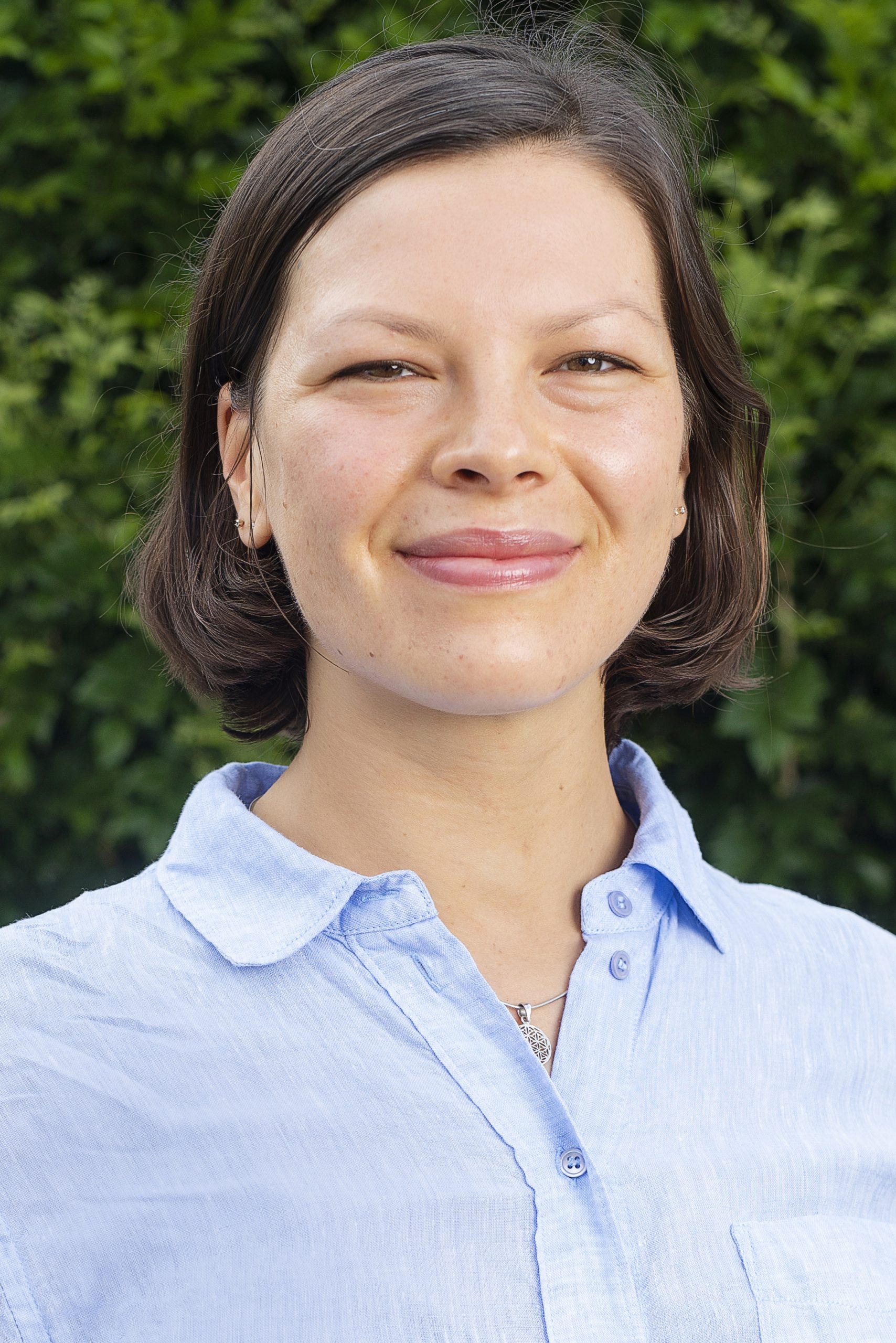
Lisa Eisfeld is a trained physiotherapist from Germany. She has also studied advanced Manual therapy and finished her Osteopathy Diploma in 2018 at the School for Manual Medicine Berlin. Lisa has also attained her Watson Headache® Approach Level 1 Foundation and Level 2 Consolidation courses. Read more about Lisa.