

Most people never think about their tongue until it starts contributing to pain.
Jaw tightness, neck tension, headaches, throat discomfort, clicking, swallowing issues, and even poor sleep are often treated separately. But in many cases, they may all be connected by one overlooked structure: the tongue.
More specifically, the tongue root.
What Is Tongue Root Tension?
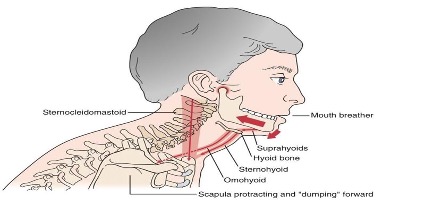
The tongue is not just a small visible muscle inside your mouth. A large portion extends deep into the throat and connects to the jaw, hyoid bone, floor of the mouth, and neck muscles.
This deeper section is called the tongue root or posterior tongue.
Like any muscle in the body, the tongue can develop chronic tension. The problem is that tongue root tension is difficult to recognise because it is hidden deep within the mouth and throat. Unlike a tight calf or stiff shoulder, you cannot easily stretch or massage it yourself.
When the tongue root becomes overactive or tight, the tension rarely stays local. Because of its close connection to the jaw, neck, airway, and nervous system, symptoms often spread into surrounding regions.
Common Signs & Symptoms of Tongue Root Tension
Important to mention is that Tongue Root Tension is a symptom and not the cause, and it can present in many different ways, including:
-
- A sensation of something “stuck” in the throat
- Tightness or difficulty swallowing
- Voice fatigue or hoarseness
- Snoring or disrupted sleep
- Tension under the chin or in the floor of the mouth
- Jaw tightness or clicking
- TMJ pain or facial tension
- Neck stiffness or upper cervical pain
Many people spend years chasing separate diagnoses without realising these symptoms may stem from the same underlying issue.
What Causes Tongue Root Tension?
Several lifestyle, postural, and breathing habits developed over a longer period of time can contribute to chronic tension patterns in the tongue.
1. Poor Tongue Posture
The ideal resting tongue posture is gently resting to the roof of the mouth in “N” position. When the tongue sits low in the mouth or pushes forward into the teeth, the tongue base muscles often become overloaded over time.
2. Stress & Nervous System Tension
The tongue is one of the first areas to tighten during stress or a fight-or-flight response. For some people, this tension never fully switches off.
3. Mouth Breathing
Mouth breathing alters tongue position, jaw posture, and neck mechanics, often creating chronic overload through the tongue root and throat muscles.
4. Forward Head Posture
Long hours on screens, studying, desk work, or poor posture can increase tension through the front of the neck and floor of the mouth.
5. Voice Overuse
Teachers, singers, coaches, presenters, and public speakers place repetitive load through the muscles connected to the tongue and larynx.
The Link between Tongue Root Tension and TMJ & Neck Pain

TMJ (jaw) pain and facial tension are common symptoms of Tongue Root Tension.
The tongue has strong fascial and muscular connections to:
-
- The jaw (TMJ)
- Deep neck flexors
- Hyoid bone
- Suboccipital muscles
- Airway structures
- The diaphragm and breathing system
This means tongue tension can contribute to:
-
- Voice impairments
- Jaw dysfunction
- Clenching patterns
- Neck pain
- Headaches
- Breathing dysfunction
- Sleep-related issues
In many TMJ cases, the tongue is an important missing piece of the puzzle.
What Can Help Relieve Tongue Root Tension
Improve Resting Tongue Position
The tongue should rest gently against the roof of the mouth, with the tip sitting just behind the front teeth, not pressing into them.
Reduce Mouth Breathing
Nasal breathing helps relax the neck, jaw, and tongue muscles while improving nervous system regulation.
Address Neck & Postural Tension
Improving cervical posture and reducing forward head positioning can significantly reduce load on the tongue root.
Jaw Relaxation Training
Many people unknowingly hold tension beneath the chin or clench throughout the day. Awareness is often the first step toward change, while the tongue sit on the roof of the mouth there should always be a gap between the teeth.
Physiotherapy Treatment for Tongue Root Tension
Hands-on physiotherapy can help release tension through:
-
- The jaw and neck
- Floor of mouth muscles
- Deep cervical structures
- Breathing mechanics
- Myofascial restrictions
Treatment may also include:
-
- TMJ rehabilitation, which means leaning and retraining the tongue and jaw positioning
- Breathing retraining
- Postural correction
- Relaxation and nervous system down-regulation strategies
When Should You Seek Help?
If you experience persistent:
-
- Jaw pain
- Clicking or clenching
- Neck tension
- Headaches
- Throat tightness
- Swallowing discomfort
- Voice fatigue
- Sleep issues
It may be worth assessing whether tongue root tension is contributing to your symptoms.
Because the body compensates over time, early treatment often leads to better outcomes and prevents symptoms from spreading into surrounding areas.
Final Thoughts
Tongue Root Tension is one of the most overlooked contributors to TMJ dysfunction, neck pain, headaches, and throat symptoms.
The good news is that once identified, it often responds extremely well to targeted treatment and habit retraining. Sometimes the missing link is not just the jaw or the neck, it is the tongue sitting between them.
If you believe you may be suffering from Tongue Root Tension symptoms, book an appointment today. Our physiotherapists are specialists in the treatment of complex head, neck, and jaw conditions, including Tongue Root Tension.

Lisa Eisfeld is a trained physiotherapist from Germany. She has also studied advanced Manual therapy and finished her Osteopathy Diploma in 2018 at the School for Manual Medicine Berlin. Lisa has also attained her Watson Headache® Approach Level 1 Foundation and Level 2 Consolidation courses. Read more about Lisa.